


For many supporters, the rhythm of a football season used to be simple: a match on Saturday afternoon, an occasional midweek fixture and a cup run if luck allowed. The growth of European club competition has reshaped that pattern, turning the week into a carefully managed sequence of domestic and continental games. For clubs that qualify, the calendar now bends around Tuesday, Wednesday and Thursday nights as much as it does around the weekend.
European football does not sit alone, of course. League schedules must also leave room for domestic cups and international fixtures, but it is the continental competitions that most directly dictate when clubs play from one week to the next. Understanding how that influence works explains a great deal about why the modern fixture list looks the way it does.
The midweek becomes European territory
European competitions are traditionally played in midweek, with the most prestigious tournament usually staged on Tuesday and Wednesday evenings and the secondary competitions on Thursdays. These nights are protected in the calendar, so domestic leagues generally avoid holding their own midweek rounds at the same time. The result is a clear division of the week, with the weekend belonging largely to league football and certain evenings belonging to Europe.
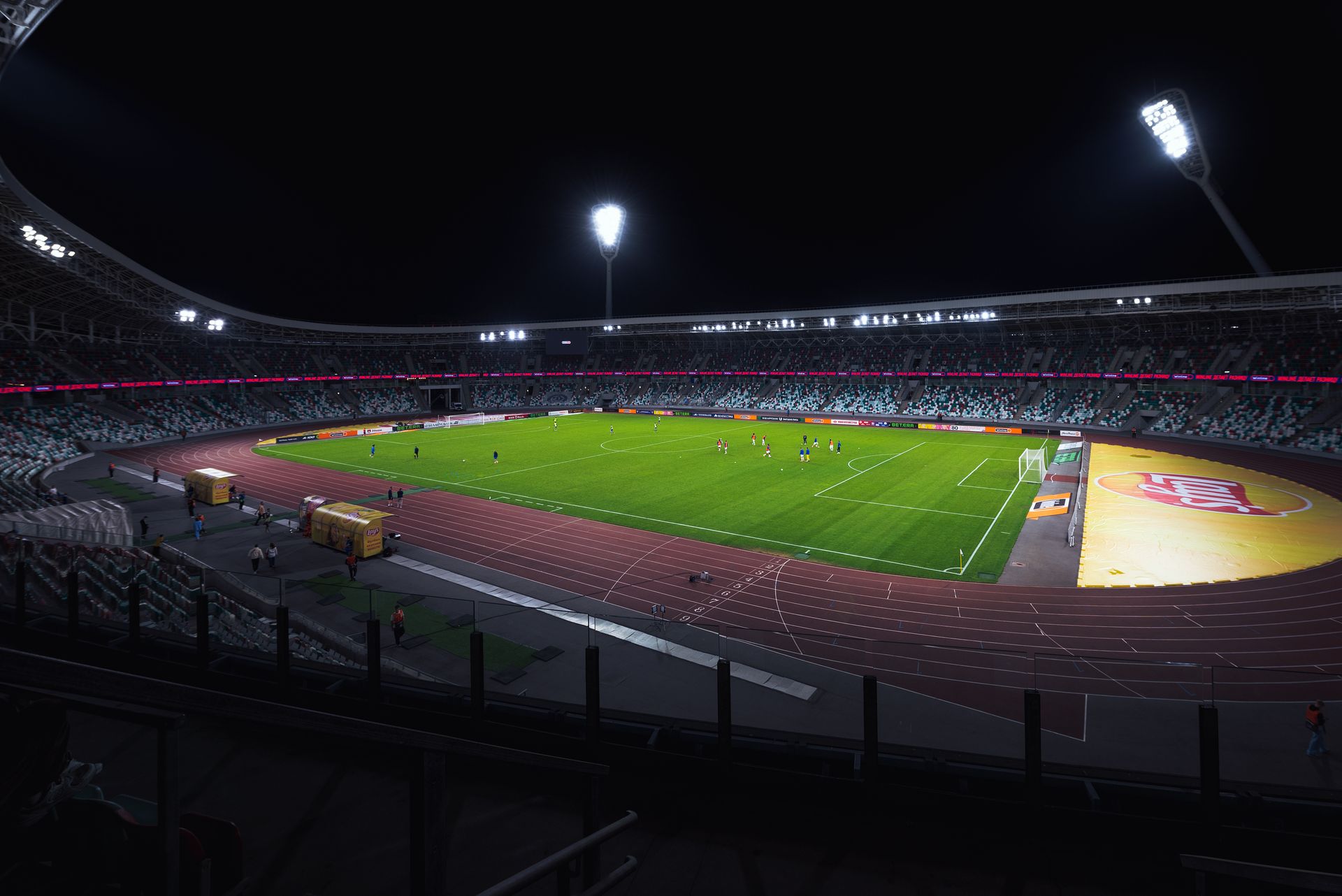
This arrangement has given European nights a distinct identity. Floodlit matches against unfamiliar opponents feel different from league games, and many supporters regard them as the highlights of a season. That sense of occasion is part of why governing bodies and broadcasters have worked so hard to preserve a dedicated place for them.
How domestic leagues schedule around Europe
Once European fixtures are set, domestic leagues have to adjust around them. A club that plays away on a Thursday evening will usually see its next league match moved to a Sunday or even a Monday, giving players time to travel home and recover. Those changes ripple outwards, because moving one match can affect the opponents, the broadcast schedule and local policing arrangements.
Leagues typically publish their fixture lists before the season begins, but those lists are best understood as a starting point. Dates and kick-off times are often confirmed only weeks in advance, once broadcasters have made their selections and European draws have decided which clubs are still involved. Supporters who book travel early have learned to treat any listed date with a degree of caution.
Domestic cup competitions feel the effect too. Cup rounds are often slotted into weeks that avoid European matchdays, and cup formats have been adjusted over time to reduce the number of extra matches. European commitments have regularly been one of the factors raised in those discussions.
A season that starts earlier and ends later
European competition begins before most domestic leagues get going, with qualifying rounds held during the summer. Clubs entering at those early stages may have to cut short their pre-season preparations, playing competitive knockout ties while rivals are still on friendly tours. For clubs from smaller leagues across the continent, that summer football is a vital route into the main stage of a competition.
At the other end, the knockout rounds build through the spring and end with finals close to the finish of the season. Domestic leagues generally aim to complete their campaigns before those showpiece occasions, so the closing weeks of the league season are shaped partly by the continental timetable. A deep European run can leave a club balancing decisive league matches and knockout ties within the same short spell.
Broadcasting, formats and the demand for more matches
Broadcasting has been central to European football’s influence on the calendar. Television partners value having matches spread across different evenings and kick-off times, so audiences can watch more games rather than seeing them clash. Staggered kick-offs on European nights have become a familiar feature for that reason.
Changes to competition formats have added further layers. The move away from traditional groups towards a single league phase has brought more matchdays for participating clubs, and each expansion requires space to be found somewhere. That space often comes from the domestic calendar, which is why European format decisions are watched closely by leagues across the continent.
European football has not simply been added to the fixture list. It has become one of the principles around which the entire season is organised, from summer qualifiers to spring finals. For supporters who want to see how those continental commitments shape their own club’s schedule, Football Today’s coverage offers a straightforward way to follow the latest fixtures, results and news as the campaign unfolds.
