


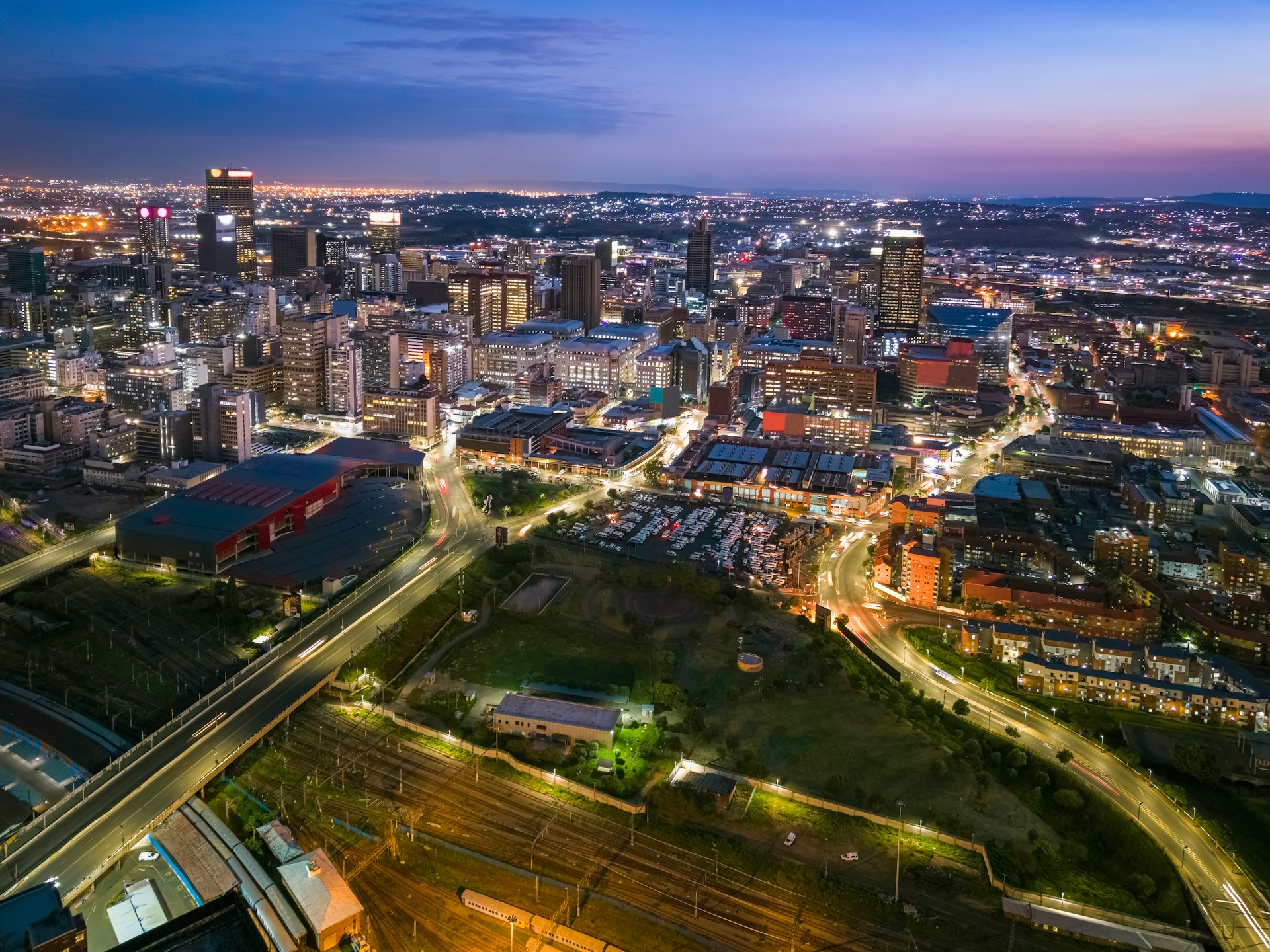
Birmingham doesn’t get enough credit. It’s the UK’s most connected city outside London — and for anyone hunting conference facilities in Birmingham city centre, that matters more than you’d think.
Here’s the thing: location shapes everything about an event. And Birmingham sits dead centre in the national rail network, pulling attendees from London, Manchester, Edinburgh, and everywhere between, often in under two hours. Add Birmingham Airport for international guests, and you’ve got a genuinely strong case for holding almost any event here.
So what’s actually on offer?
The big venues. Convention-scale spaces dominate the headline capacity — think trade shows, major conferences, international delegations. These come equipped with tiered seating, breakout rooms, and AV setups that don’t require three IT guys and a prayer. Not glamorous, maybe. But they work.
Hotels with meeting suites. For multi-day events, all-in-one is often smarter. Many city centre hotels bundle boardrooms and conference suites with accommodation on-site. Delegates don’t lose time commuting between where they slept and where they’re presenting — that friction adds up fast across a two-day conference.
Academic and specialist venues. Universities bring something different to the table. Lecture theatres, seminar rooms, research-focused atmospheres. These suit professional development programmes, academic symposiums, and training events where the environment itself signals seriousness.
Worth asking, though: what actually matters when you’re shortlisting?
Transport access tops the list for most organisers. A venue five minutes from New Street station will always outperform a slightly nicer one that requires navigating the ring road during rush hour. Attendance rates reflect that reality directly.
Technology is the next sticking point. Hybrid events — where some attendees join in person and others dial in remotely — are now standard rather than special. Any conference facility in Birmingham city centre worth booking should offer reliable high-speed internet, solid AV infrastructure, and the capability to stream without the connection dropping mid-keynote. (Yes, it still happens.)
Flexibility matters too. A rigid, fixed-seating auditorium works for a keynote but struggles with workshops or panel formats. Spaces that can be reconfigured quickly give organisers real options rather than forcing every session into the same shape.
Catering — don’t underestimate it. Quality hospitality has a measurable effect on how engaged people stay. In-house catering ranging from simple coffee service to full dining is standard among the better conference facilities Birmingham city centre has to offer. It’s a small thing until it isn’t.
What to watch out for:
Peak season demand is brutal. If your event falls during a major industry conference period, availability shrinks fast and prices climb. Book early or expect to compromise. Traffic congestion during large events is also genuinely disruptive — worth factoring into delegate communications.
The sector itself is shifting. Sustainability has moved from nice-to-have to expected — venues sourcing local catering, cutting waste, and improving energy efficiency are increasingly preferred by corporate clients with environmental commitments. Flexible, collaborative layouts are replacing traditional rows-of-chairs formats, because most modern events aren’t just people sitting and listening anymore.
The range of uses across Birmingham’s conference venues is wider than people assume: tech companies launching products, healthcare bodies running CPD workshops, financial institutions holding compliance reviews, international associations convening annual meetings. Each needs something different — secure data access here, a large auditorium there, breakout capacity somewhere else.
Birmingham’s conference facilities don’t have to be a compromise. For the right event, they’re genuinely the best option in the country.
