


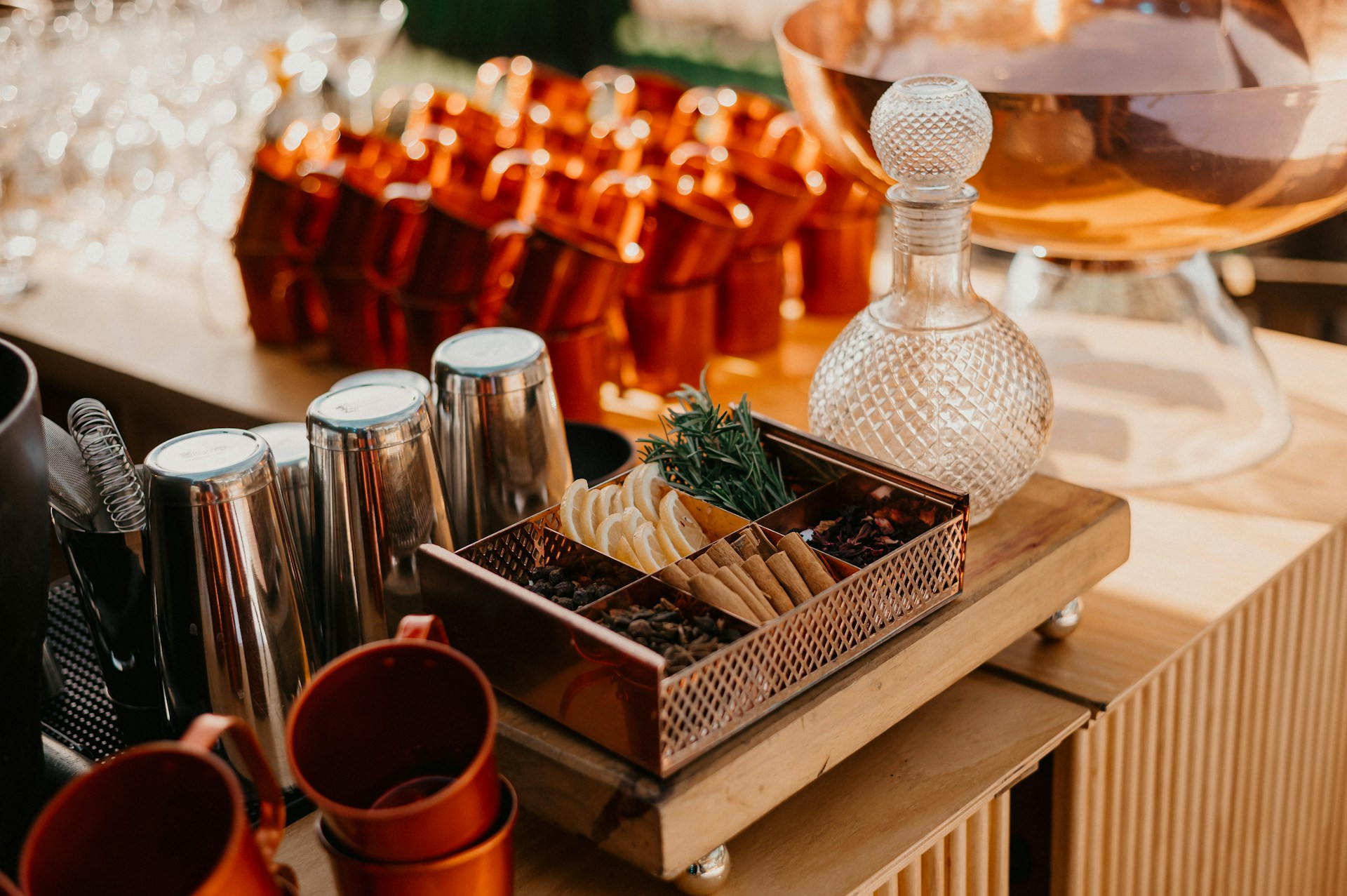
Event bar hire has quietly become one of the most requested add-ons in modern event planning. And it’s not hard to see why.
Gone are the days when organisers were stuck with whatever the venue offered behind a fixed counter. Today, event bar hire gives you real control — over the drinks list, the aesthetic, the staffing, the experience. Whether you’re running a wedding in a barn, a product launch in a warehouse, or a festival in a field, a mobile bar can be built to fit.
But it’s not as simple as booking a van and showing up with crates of lager. There’s a lot to get right.
What Event Bar Hire Actually Means
At its core, event bar hire is the temporary provision of a bar setup — structure, equipment, staff, and stock — for a specific occasion. That might be a sleek cocktail counter or a full-scale draught system with branded panels and neon lighting. Depends what you’re after.
The package usually covers the bar unit itself, all service equipment, licensed bartenders, stock management, and full setup and breakdown. Some providers throw in glassware; others charge separately. Always check.
The Main Service Models
Not every bar setup works the same way. Here’s how most providers break it down:
Cash bars keep costs low for the organiser — guests buy their own drinks. Works well for casual events, but you’ll need solid payment systems in place.
Open bars flip that arrangement. The host covers everything. It’s the more generous option, common at weddings and corporate dinners where hospitality is the whole point.
Token or voucher bars sit somewhere in the middle. Guests get a set allowance; anything extra comes out of their own pocket. Good for budget control without sacrificing the hosted feel.
Bespoke themed bars — gin walls, craft cocktail menus, seasonal serves — are increasingly popular for premium events and brand activations. They take more planning, but the payoff in atmosphere is real.
What Shapes the Cost
This is where most organisers hit their first surprise. Event bar hire pricing isn’t fixed — it shifts based on guest numbers, event length, drink selection, staffing levels, and how much customisation you want.
Open bars cost more upfront. Cash bars reduce that spend but bring their own coordination headaches. Add glassware hire, refrigeration, and transport on top, and the bill can climb fast.
The best providers are upfront about what’s included versus what’s an extra. If a quote seems vague, push for a breakdown. Transparency matters here.
Logistics: The Bit That Catches People Out
Here’s the thing: the bar is only as good as the planning behind it.
Delivery access, power supply for fridges and lighting, waste disposal, stock top-ups mid-service, site clearance at the end — all of it needs to be mapped out in advance. Professional providers will usually do a site visit beforehand to flag potential issues. If yours doesn’t offer that, ask.
Outdoor events add another layer of complexity. Weather can affect setup times, equipment performance, and guest flow in ways that are genuinely hard to predict. Build contingency time into the schedule.
Licensing: Don’t Skip This
Alcohol service in the UK is regulated. Full stop. The appropriate licences need to be in place — whether that’s a Temporary Event Notice (TEN) or a premises licence — and staff need to be trained in responsible service. This is non-negotiable.
Most established event bar hire companies handle the licensing side as part of their service. If you’re hiring from a smaller operation, clarify exactly who’s responsible for what before you sign anything.
What the Industry Is Moving Towards
A few trends worth knowing about:
Sustainability is climbing the priority list. Reusable cups, reduced single-use plastic, locally sourced ingredients — clients are asking for it and good providers are responding.
Low and no-alcohol options have gone from afterthought to expectation. Creative mocktail menus and alcohol-free spirits now sit alongside the main drinks list at most well-run events.
Cashless payment systems and digital ordering are becoming standard too, cutting queues during peak periods. And bar structures themselves are getting more modular — faster to assemble, easier to adapt to different spaces, with better consistency across service.
A Few Honest Trade-Offs
Event bar hire delivers a lot. Flexibility of location, customised menus, professional service, a focal point that actually draws people together socially. These are real advantages.
But it’s not without friction. Premium setups cost more than people expect. Coordinating licensing, logistics, and supplier relationships takes genuine effort. Smaller mobile bars can struggle if guest numbers spike unexpectedly. Outdoor events remain at the mercy of the weather.
None of these are dealbreakers — they just require honest planning upfront.
How to Plan It Properly
If you’re moving forward with event bar hire, here’s a sensible sequence:
- Define your guest numbers and profile accurately
- Set a realistic budget — and pad it slightly
- Choose the bar model that fits your event format
- Sort licensing requirements early (not last minute)
- Walk the venue with your provider before the event
- Finalise the drinks menu with your audience in mind
- Lock in setup and breakdown times with enough buffer
That order matters. Licensing and logistics have long lead times; menu decisions can usually wait.
The Bottom Line
Done well, event bar hire transforms how guests experience an occasion. It’s not just about the drinks — it’s about the whole social environment around the bar. The right setup in the right location, staffed by people who actually know what they’re doing, makes a difference you can feel in the room.
Plan carefully, ask the right questions, and pick a provider who treats logistics as seriously as aesthetics. The rest tends to follow.
