


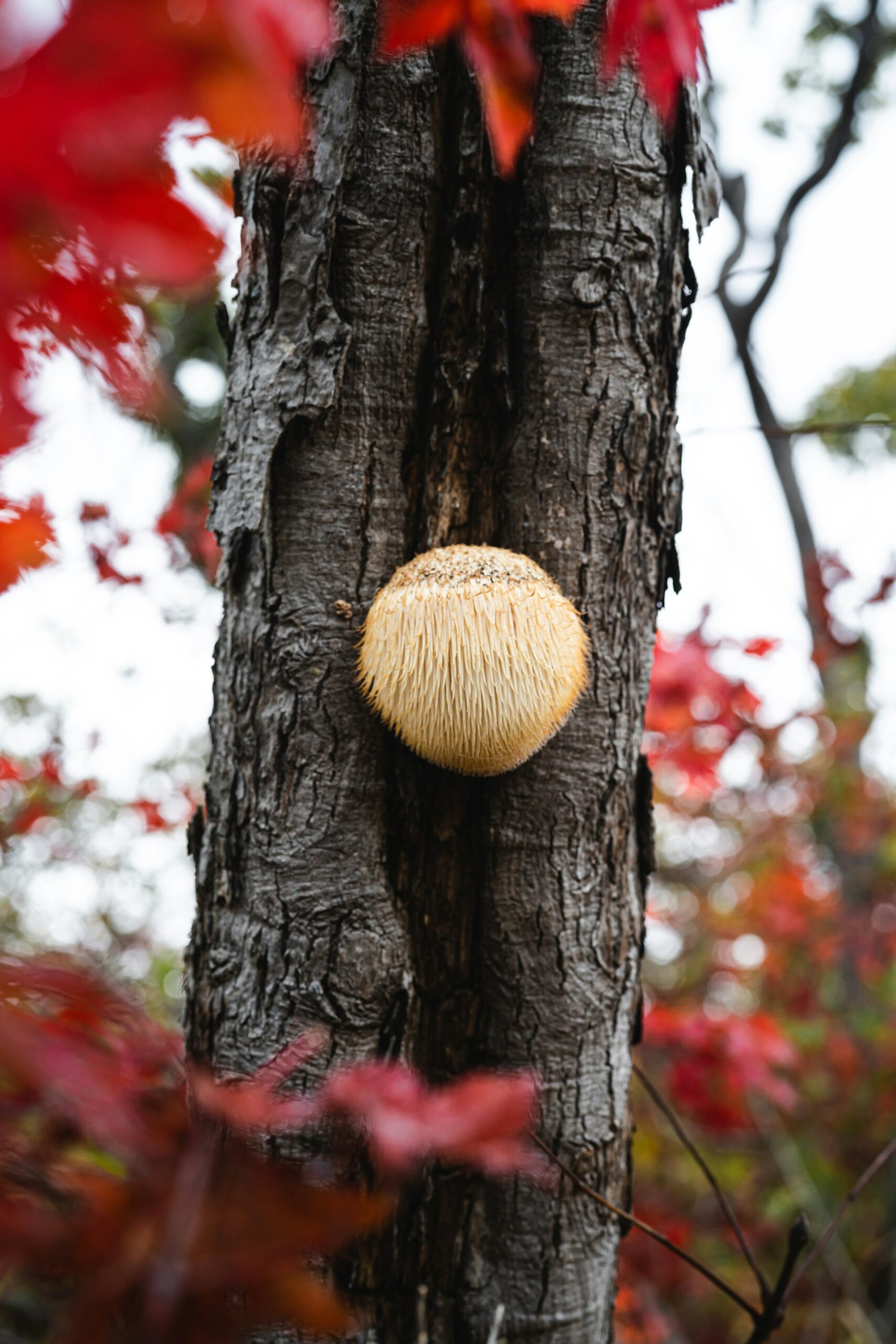
Something’s changed in the wellness aisle. Walk through any health food shop or scroll through supplement feeds, and lion’s mane mushroom powder keeps showing up — in coffee blends, capsules, smoothie recipes, nootropic stacks. The interest isn’t just hype, though. There’s real science behind it. Complicated science, still developing, but real.
So what’s actually going on with lion’s mane mushroom powder?
Let’s get into it.
The Mushroom Itself
Hericium erinaceus — that’s the formal name — is hard to mistake for anything else. Long white cascading spines, almost shaggy, draping off a central cluster. It looks less like a typical mushroom and more like something you’d find in a fantasy novel. Native to parts of Europe, Asia, and North America, it’s been eaten and used medicinally for centuries across several cultures.
The powder comes from drying and grinding the mushroom down. Some products use the fruiting body — the visible mushroom — while others use the mycelium, which is the root-like network underneath. Some use both. This distinction matters more than most labels let on.
Why People Are Paying Attention
Here’s where it gets genuinely interesting.
Researchers have identified two groups of bioactive compounds in lion’s mane — hericenones and erinacines — that appear to influence nerve growth factor (NGF), a protein the body uses to maintain and grow nerve cells. That’s what’s driving most of the cognitive health conversation around this ingredient.
Now, important caveat: a lot of this research is still early. Lab studies, animal models, small human trials. The results are promising enough that scientists keep pursuing it, but it hasn’t yet reached the level of “established and proven” that, say, vitamin D or omega-3s enjoy. Anyone telling you otherwise is getting ahead of the evidence.
That said — the science isn’t nothing. It’s enough to take seriously, which is different from being enough to make sweeping claims.
What It Might Actually Do
Cognitive support tops the list. Memory, focus, mental clarity — these are what most people are after when they start adding lion’s mane mushroom powder to their morning coffee. Some preliminary research does suggest cognitive benefits, particularly in older adults, but individual responses vary widely.
Beyond brain health, lion’s mane brings a decent nutritional package: dietary fibre, protein, minerals, antioxidant compounds, and bioactive polysaccharides. Not groundbreaking on its own, but worth counting — especially if you’re already eating a varied diet and looking to add functional depth.
And practically speaking? The powder format is just easy to use. Stir it into tea. Blend it into a smoothie. Mix it into porridge or soup. It doesn’t demand much from you, which is probably part of why it’s caught on.
Product Quality — and Why It Varies So Much
This part matters a lot, and most buyers don’t dig into it enough.
Two bags labelled “lion’s mane mushroom powder” can be completely different products. The source material — fruiting body, mycelium, or a blend — affects the concentration of active compounds. The extraction method shifts things further: hot water extraction pulls beta-glucans and water-soluble components; dual extraction (water plus alcohol) captures a broader profile.
Neither approach is inherently superior. What matters is whether the product has been tested and whether the manufacturer is actually transparent about what’s in it.
Third-party lab testing is the clearest signal of a quality product. It’s not a guarantee, but it’s a meaningful filter. Good brands tend to offer clear sourcing information, cultivation details, and independently verified potency — the kind of product page that gives you something to actually evaluate rather than just marketing language.
The Honest Limitations
Long-term human studies on lion’s mane are still relatively scarce. The science is moving, but it hasn’t moved fast enough to validate every claim circulating in wellness content.
Product inconsistency is a real issue — not unique to lion’s mane, but worth flagging. The supplement market isn’t regulated the way pharmaceuticals are, so quality control is ultimately on the manufacturer and, by extension, on you as the buyer.
And expectations? Those can get out of hand. Lion’s mane isn’t a treatment for anything. It’s a functional ingredient with a promising early research profile. That’s meaningful — but it’s not the same as a medical solution, and it shouldn’t be approached that way.
Before You Buy
Worth thinking through:
- Is it made from fruiting body, mycelium, or both — and does the brand explain why?
- Has it been independently tested, and are those results accessible?
- What’s the intended dosage, and is the guidance actually evidence-referenced?
- Do you have any existing health conditions or medications that warrant a conversation with a doctor first?
That last point isn’t boilerplate caution. Some compounds in functional mushrooms can interact with medications, particularly blood thinners. A quick check with a healthcare professional costs nothing and might matter.
The Bottom Line
Lion’s mane mushroom powder occupies an interesting space — genuinely backed by emerging science, genuinely variable in product quality, and genuinely worth understanding properly before spending money on it.
The early evidence around cognitive function is real and worth watching. The convenience of the powder format is real too. But the strongest case for using it starts with choosing a quality product from a transparent supplier, adjusting expectations accordingly, and treating it as one piece of a broader approach to health — not a standalone fix.
The science will keep developing. Watch it.
